.svg)
Adidas Colombia
End-to-end product development
User Research
User Journey Mapping
Personas
Wireframes
High Fidelity Prototyping
Dev Collaboration
Figma
Miro
Adobe Illustrator
A cross-cultural student collaboration with Adidas Colombia, UMNG, and THI Ingolstadt, funded by the DAAD. Focused on creating an end-to-end retail planning system that enables smarter product exploration and faster, more impactful key looks.
Deliverables
- Finalized UI design for the internal tool
- Functioning Figma prototype demonstrating the end-to-end workflow
- Data-driven concept for generating trend reports and key looks based on user-defined parameters
- Functioning tool to create key looks
Research
Visual merchandisers at Adidas shape the physical brand experience in stores worldwide. Before designing anything, an understanding of how they they work today and where the problems lie hat to be build.
To do so 2 visual merchandiserswere interviewed.
The interviews showed three recurring themes:
- Error-prone manual handling of product IDs across disconnected tools
- Repetitive rework every time the product catalog changed (3× per quarter)
- A fragmented, manual process with no automation and no visibility
Together, these problems made clear that the team didn't need a better tool for one step, they needed a system that connected the whole workflow.
From these insights, user needs were translated into concrete requirements.
Requirements
The main requirements:
- A web-based interface connected to a live product database, so designers always work with the current catalog instead of outdated exports.
- An AI-driven look generation with clear combination rules (e.g. regional restrictions) to replace manual product picking.
- And a one-click export to presentation format to eliminate the manual formatting step at the end of the process.
On top of that, the system had to feel reliable and effortless: data processing under five seconds, consistent synchronization across sessions, and a usability bar high enough that designers would actually prefer it over their existing workflow.
These requirements, together with the persona and user flow, became the foundation for the information architecture and every design decision that followed.


Ideation
With clear requirements in place, the first solution was sketched as low-fidelity wireframes. This helped testing the main hypothesis without distracting with design and with an easy changeable layout and features. These were tested with two Adidas Look Designers across six core tasks:
- Uploading a trend report
- Generating looks
- Editing items
- Saving
- Regenerating with a key product
- Exporting
Three findings led to meaningful design decisions:
- Tags were changed to folders: Testers expected a familiar file system to organize looks, not a tag-based logic
- Image previews for key products instead of names: Selecting a product by name alone wasn't enough, designers think visually.
- Cleaner language and clearer actions: We removed the ambiguous "timeframe" term and visually separated "Save" from "Regenerate" to prevent accidental overwrites.
These changes shaped the hi-fi designs that followed.
Design & Implement
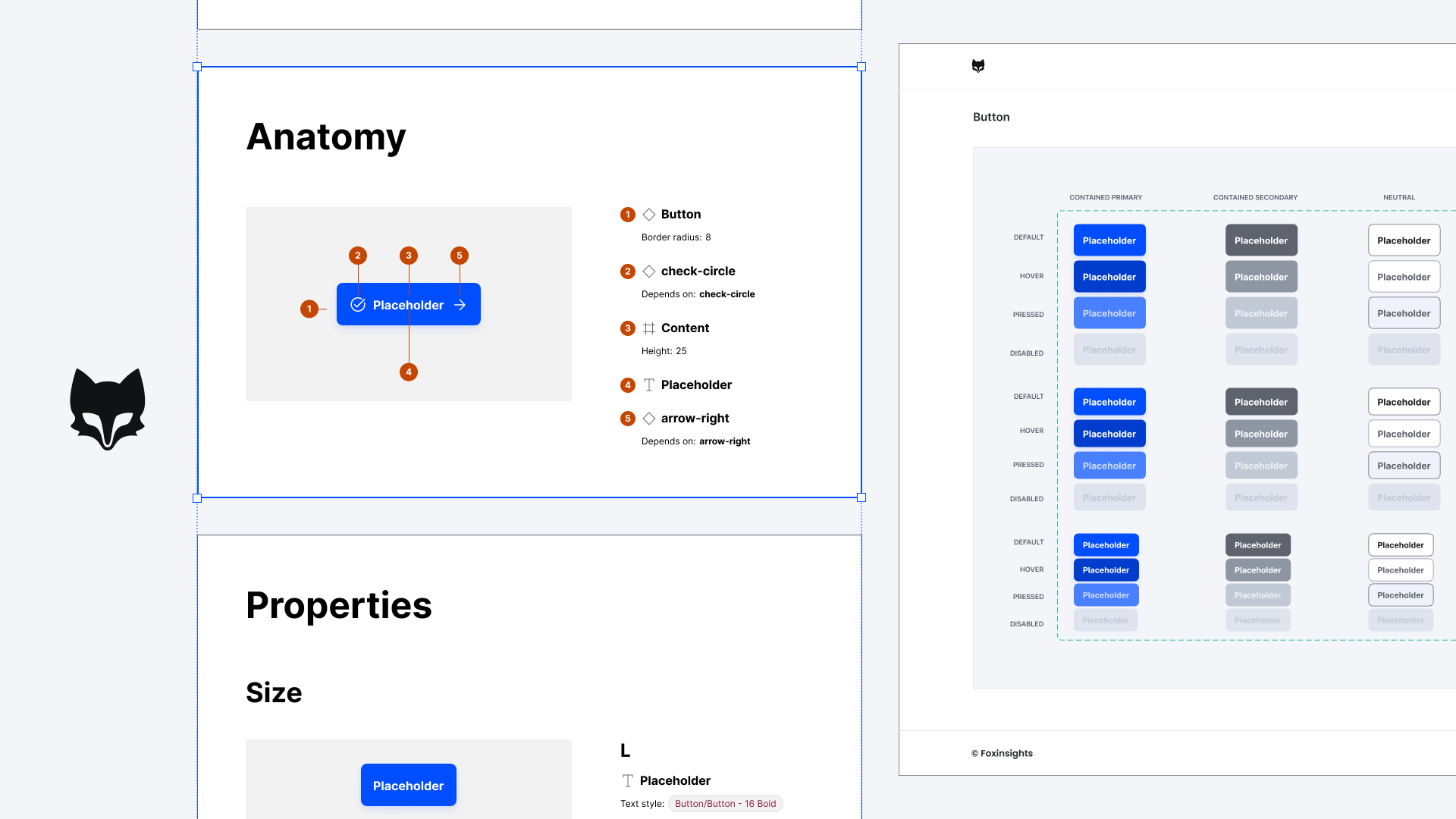
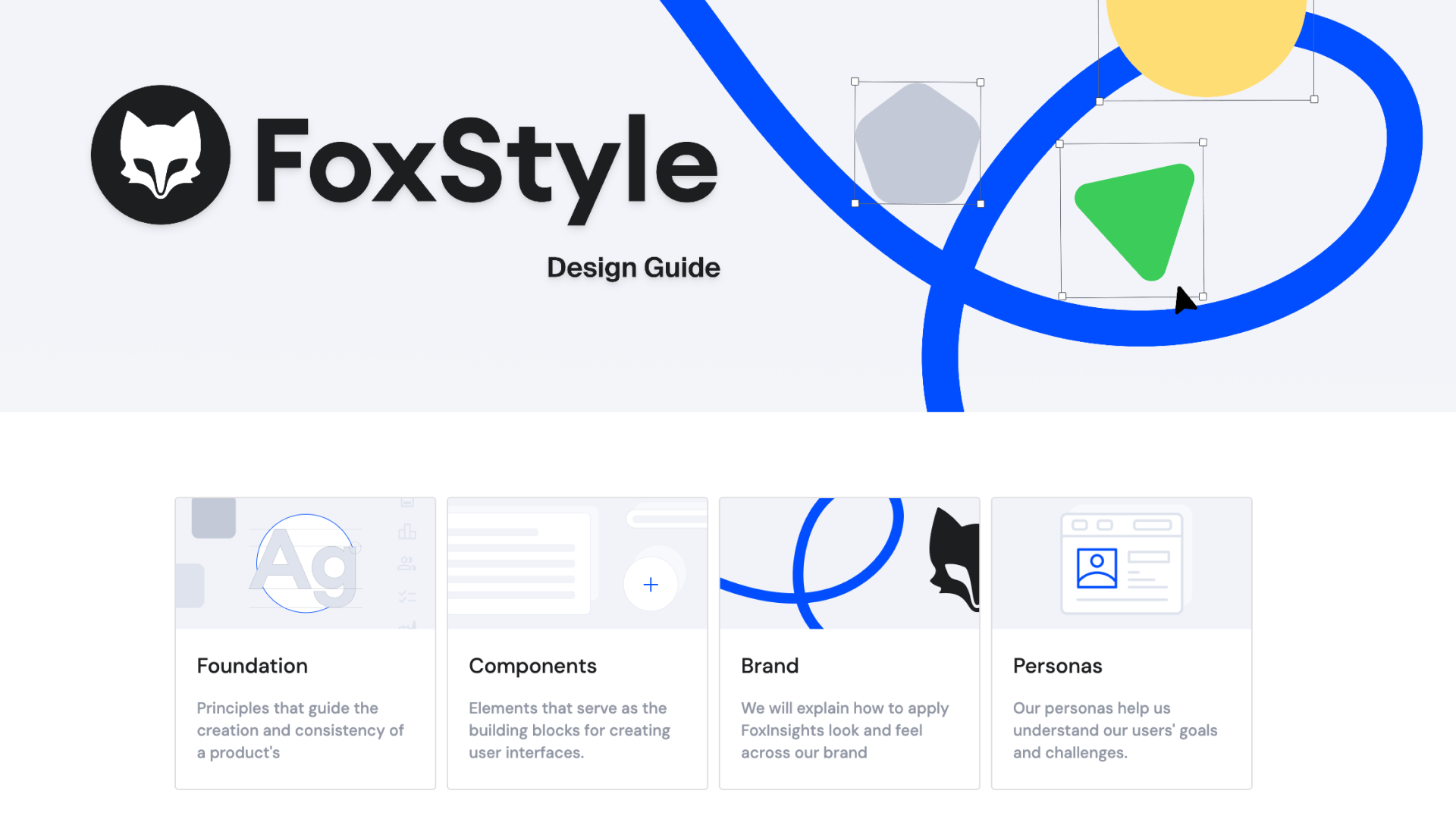
In parallel with the hi-fi screens, a design system in Figma was built with components, tokens and patterns. This ensured consistency and accelerated the handover to engineering. In collaboration with the development team iterations on the design were made due to technical limitations. The originally planned trend report upload wasn't possible to do. Therefore I came up with a manual upload function being as intuitive as possible e.g. with color pickers for the trend report colors.
.png)


.png)
Future Design Proposal
In addition to the final tool hat was developed in collaboration with the engineering team, we added prototypes to the project that can be developed in another cycle after the system is running. During research it became clear that an extremely useful feature for the merchandisers would be a Change Log where products that change after uploading a new excel sheet are indicated in the tool. So if the team wants to use a product which is no longer available, they can easily change it with the tool and don't need to manually check it. Also new product or added and changed colors are indicated. This prevents mistakes and speeds up the designing process for the visual merchandisers.


Outcome
The tool was tested and approved by a team of three visual merchandisers at Adidas. The following goals were reached:
- A streamlined workflow for visual merchandisers when assembling and curating designs
- Reduced manual effort in compiling trend reports by automating data aggregation
- Enabling of key look suggestions based on trend data and user-defined parameters
- Fit into the current current Adidas merchandising process
More work.